
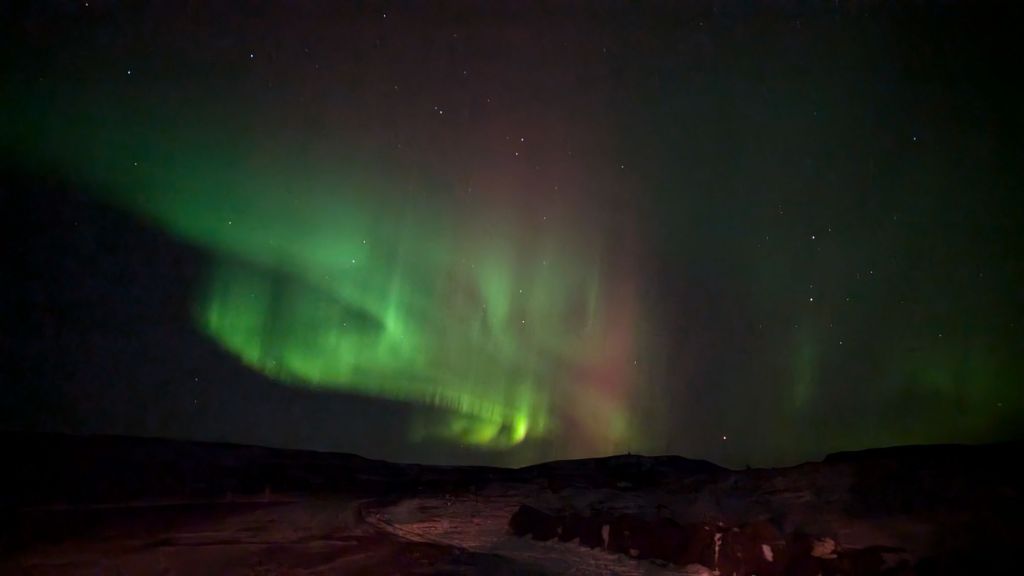
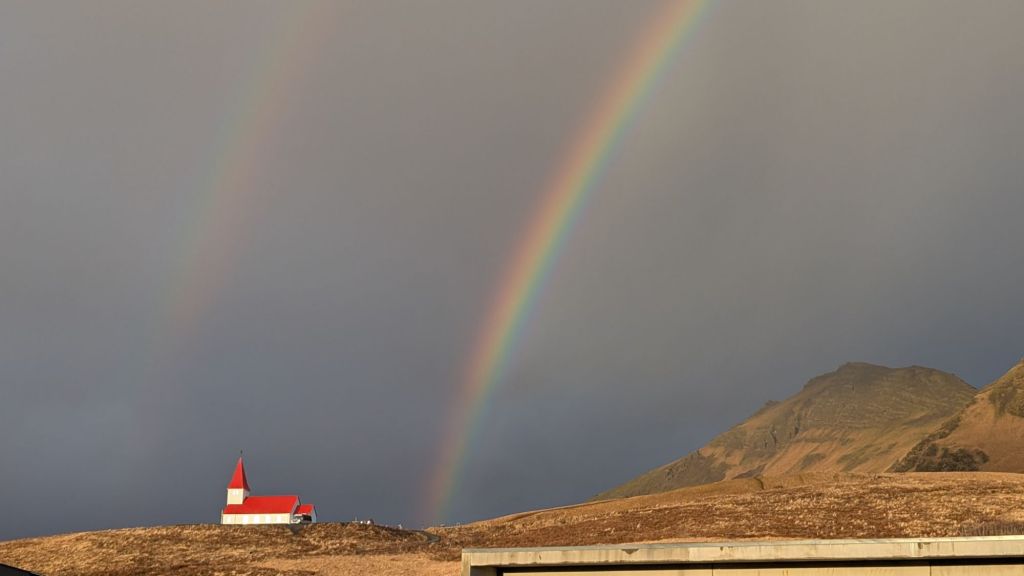
A bucket trip of a lifetime. Iceland in early winter. Northern lights galore, frozen waterfalls, a dusting of snow, 5ish hours of sun (which led to guaranteed golden hour), incomparable landscapes. There’s seriously no way to properly describe this tiny island country without seeing it with your own eyes.
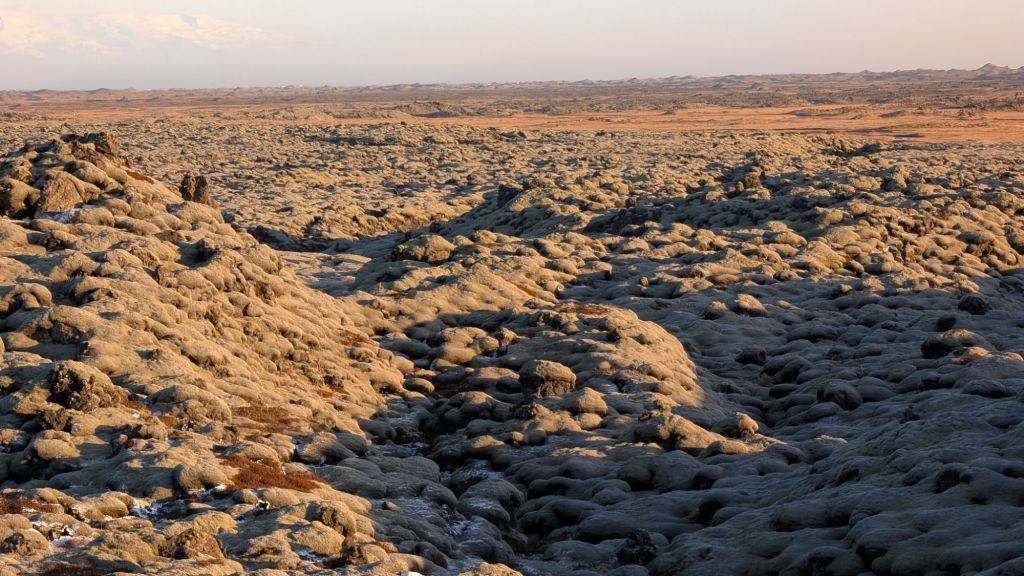
There’s something in the air that you breathe when you first step out into the vast expanse of volcanic rock, green/grey moss, and waterfalls. The oxygen feels almost crispy, relatively untouched by the greed of humanity. Unfortunately, the more you learn about the history of the environment in Iceland you understand that although it may seem untouched, it is actually anything but. Today there are hardly any tall trees, and certainly no old ones, a direct consequence of old logging practices as Iceland was once covered in forest. The glaciers are a mere fraction of what they were 20 years ago because of the rapid effects of climate change.
I think that one of the things that has become extremely important to me in my travels recently is not only understanding how I as an individual impact the environment/community I step into, but how the community that exists there impacts their environment. I’ve always had an interest in environmental topics and it has become more and more important for me to understand the human effects of a certain place.

Icelandic people seem to be doing it right. The entire country (ok, yes, it’s relatively small but lets give kudos where kudos are due) runs on self-produced renewable energy – primarily geothermal and hydroelectric. They have figured out how to harness an extremely unpredictable environment and land and use it to their benefit while causing the least amount of damage possible. It was incredible to see the greenhouses that were kept warm and humid and well-lit when it was sub-freezing temps with harsh winds outside and the sun was only above the horizon for 5 hours a day. Every building you step inside is warm (often too warm) and that is all made possible through geothermal energy.
I’ll admit, something I struggled with while on this journey across a small corner of an incomprehensibly beautiful country was the extremely visual and obvious effect of climate change/global warming/whatever you want to call it. But something I found incredibly interesting was the way the locals, and even the people that have moved there to work, handle the process of environmental change. They are very matter-of-fact about it all. “Yes, our glaciers are melting at an unprecedented rate. Yes, winters are not cold enough anymore for the glaciers to replenish themselves at a normal rate. Yes, that volcano might destroy an entire town in the next year or two.”

As someone who struggles with change, this was incredible to me. It eventually became clear to me that in a country that can experience some of the harshest environmental conditions humans can survive, you must learn to accept change. You will be changed, whether you like it or not. The things, the people, the world around you will change – whether you like it or not.

So, ultimately, my takeaway on this trip (don’t worry, not all my posts will have big overarching takeaways like this one) is that we all need to learn how to be comfortable with change happening to us but we also all need to learn what we can to do make change come from us. We may not be able to control everything, but we can control some things and we should all learn where that line is and do what we can to make not only ourselves better, but the world we exist in better.
love, Praks.
 Praks in Wonderland
Leave a comment